
A New Sunrise: How Community, Compassion and Faith Helped Barb TeStrake Rebuild
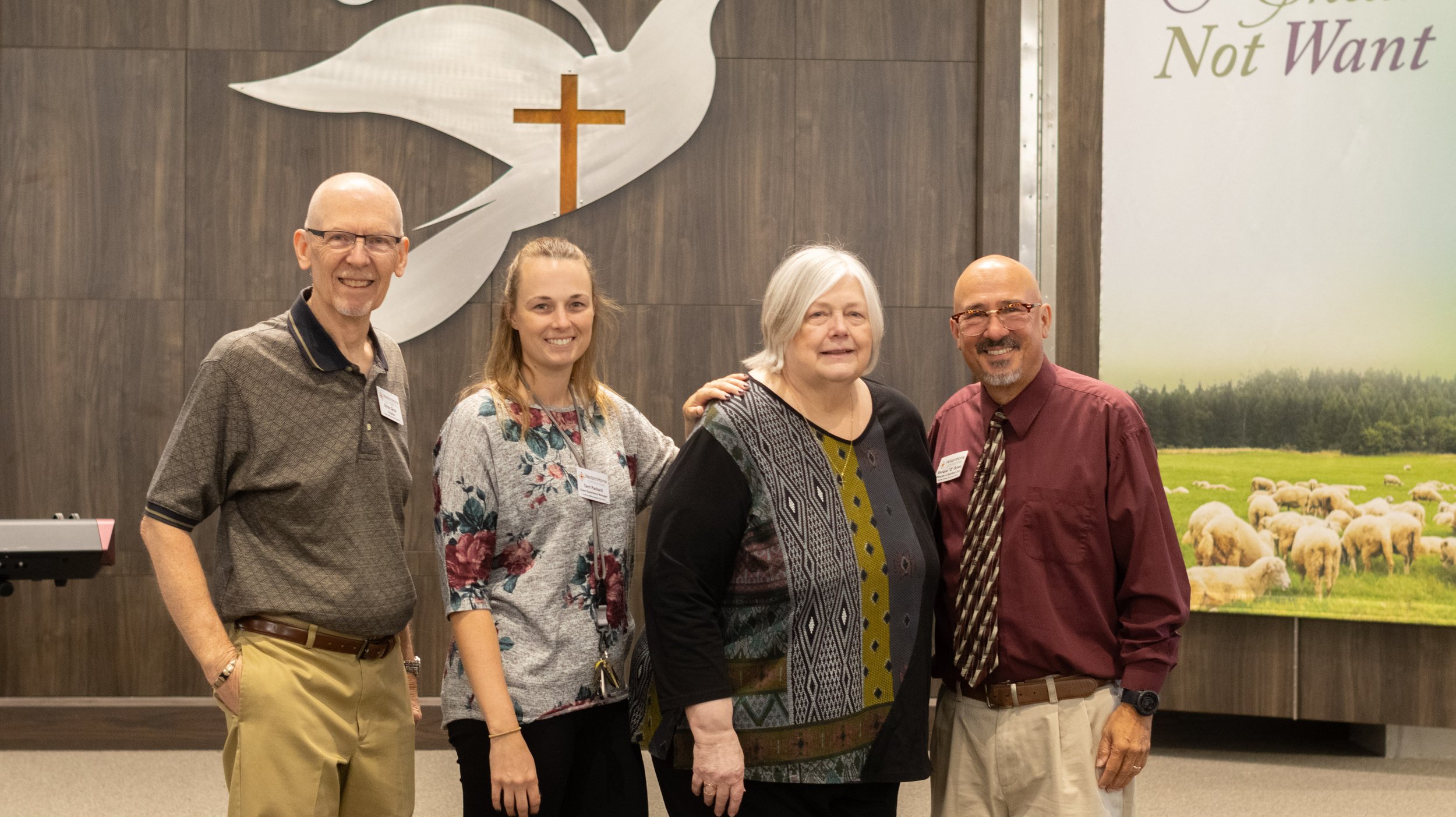
At some point, Barb Testrake can’t pinpoint exactly when, Western Home stopped feeling like a place of recovery and began to feel like home.
Perhaps it was the activities and new friendships. Maybe it was the first time she drove herself to an appointment. Or the day she realized she was stronger than she had been the week before. Whatever the moment, getting there had required Barb to rebuild nearly every part of her life.
On the Fourth of July 2024, what began as a kidney stone escalated into systemic failure, leaving her unconscious. “I don’t remember anything for about four days,” she said. While Barb lay unaware, her children stepped into a role no family expects so suddenly. They sold her condo and searched for a community that could support her through an uncertain recovery. Western Home Communities was willing to work with the family through the rapid transition.
Barb arrived carrying more than the physical effects of her illness. She had left Muscatine, her home for 30 years, in an ambulance and would never return to live there. “There were teary days,” she said. Her first stop was Deery Suites, followed by Windhaven Assisted Living and eventually Windermere Independent Living. What might look like a series of addresses on paper became markers of progress, each move representing another measure of strength and independence regained.
Through it all, Barb says she was surrounded by people who treated her not simply as someone who needed care, but as someone who mattered. Resident Assistants, nurses, maintenance staff, and transportation drivers became part of that support system, along with Chaplain Byron Simar and the Fresh Wind pastoral team. Barb describes what she experienced as “compassion in motion.”
For Byron, Barb’s recovery illustrates how healing can extend far beyond physical needs. “Perhaps the most helpful factor for Barb was interacting with people,” he said. “Connecting with people, making new friends, feeling included and accepted as part of a new family, and finding a space to talk about the rough road she had traveled.”
That sense of belonging became part of her recovery. “Barb found a place she could call home for her physical, social, emotional and spiritual needs,” Simar said. “She felt cared for, supported and listened to.”
Faith had long been an anchor in Barb’s life, and during a period when she was separated from her longtime church, worship at Western Home provided familiarity and stability. “Chaplain Byron’s presence, the Fresh Wind worship gatherings, and the cross-denominational chaplaincy supported me,” Barb said.
For Simar, that spiritual support was another part of a much broader healing process. “Yes, she was cared for physically, but that wasn’t enough,” he said. “It started there, but that was just the beginning.” He added, “The worship services were a soothing balm because they directed her attention to God and His saving and sustaining grace.”
Little by little, other pieces of Barb’s life returned as well. One of the biggest was driving. After passing a driving test at Mercy, Barb reclaimed her vehicle and with it, a measure of freedom. “Driving again was huge,” she said.
Having her own kitchen at Windermere carried similar significance. Because Barb lives with Celiac disease, having control over how her food is prepared and stored is important for her health. But the kitchen represents something more. “Having my own kitchen is significant,” she said.
These milestones helped Barb redefine what independence means. It is no longer about doing everything herself. It is about having choices. She works with a personal trainer at Thrivera to maintain bone density and stay active. When heat or fatigue make driving impractical, she uses the campus shuttle. She chooses activities that give her energy rather than deplete it. “Giving yourself grace,” she says, has become part of her philosophy.
Her children have been part of that adjustment too. The family roles have shifted since her illness, something Barb acknowledges with humor. “My kids track my location now,” she said with a smile. Their support carried her through the earliest decisions and continues today. Living closer to them is now one of the blessings she counts.
At Western Home, Barb also found a wider circle. She calls it “a village within a city,” a place where friendships formed through worship, activities, and everyday conversations gradually replaced the isolation and uncertainty of those first days.
Simar describes the change as a restoration of hope. “Worship, prayer, conversation gave her the boost and the courage to pick up the torch and ‘go again,’” he said. “Maybe not in the same way or with the same capacity, but the hope and vision to ‘go forth’ was there again.”
That may be the best description of Barb’s new sunrise. Her life did not return to exactly what it had been before July 4, 2024. Instead, she built something new, shaped by faith, family, community, and a growing understanding that accepting help does not mean surrendering independence.
“You don’t have to do it alone,” Barb said.
Today, counting blessings has become a daily practice. Among them is something she could not have imagined during those first uncertain days: a place she came to for recovery became a place she could call home.